St Peters Nyapora Rd, Mumias +254 727 851 262 info.wadadia@gmail.com

When the Body Heals, the Journey Continues: Walking Alongside Women and Girls Through Psychosocial Support.

ome wounds cannot be seen. Yet they can determine how a person sees herself, relates to others and imagines her future.
For women and girls who have experienced sexual and gender-based violence, abandonment or childbirth-related injuries, recovery is rarely only physical.
A medical procedure may address an injury. But what happens to the fear, shame, isolation, loss of confidence or broken relationships that may follow?
What happens when a woman no longer feels like herself?
What happens when a girl who once had aspirations begins to withdraw from the people and activities around her?
And what happens when the people closest to her do not understand what she is experiencing?
These are not secondary concerns.
They are part of recovery.
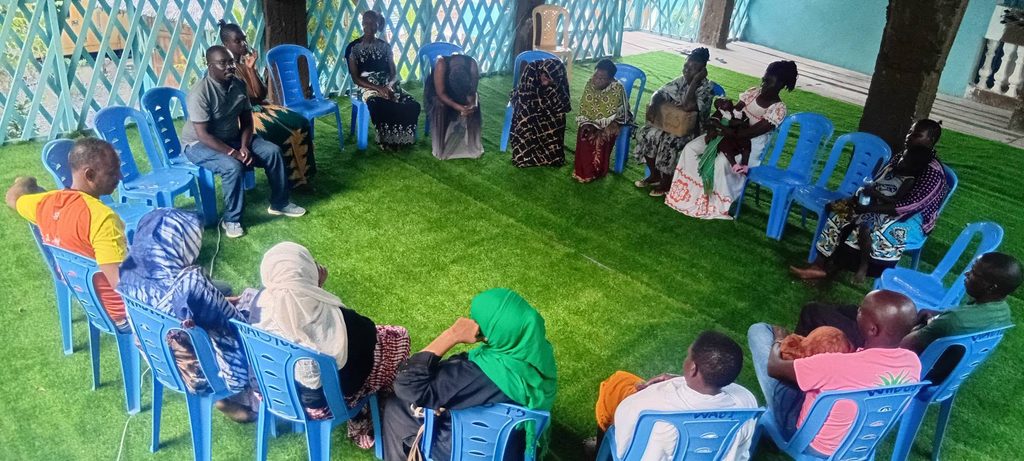
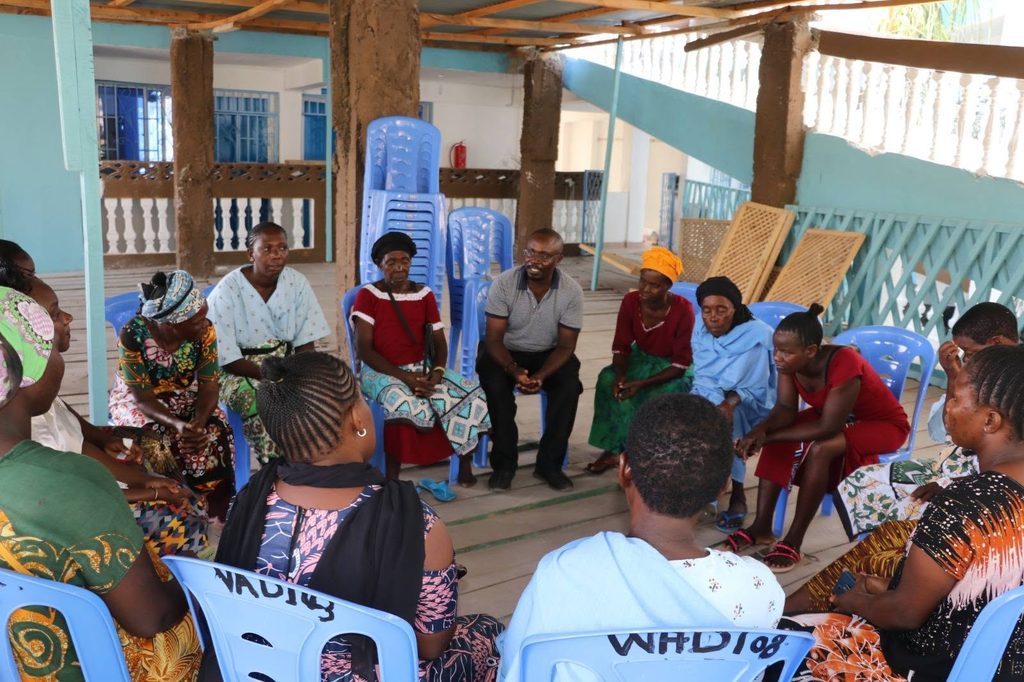
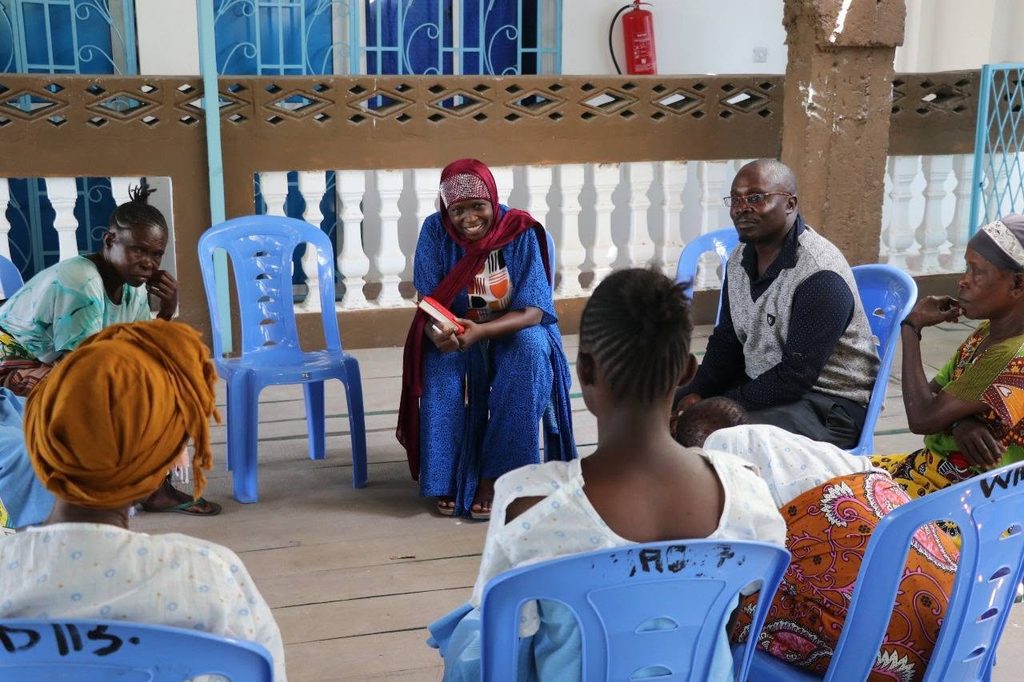
Walking with women beyond the physical wound
At WADADIA, the Psychosocial Support and Mental Health Programme responds to this often less visible dimension of recovery.
The programme is spearheaded by WADADIA’s Founder, a psychologist, together with Psychosocial Support Lead Edwin Ongoma.
Their approach is deliberately structured and tailored to the needs of the women and girls they support.
Through individual counselling, group counselling and family counselling, the team creates spaces where women and girls can begin to process their experiences, develop coping strategies and rebuild their relationships with themselves and those around them.
The work is not about asking survivors to forget what happened.
It is about supporting them to ensure that what happened does not determine everything that comes next.
The breakthrough is in the small steps
Psychosocial recovery does not always produce a dramatic moment that can be captured in a photograph.
Sometimes progress looks like a woman speaking openly after a period of withdrawal.
Sometimes it is a girl beginning to participate again.
Sometimes it is a family learning to understand trauma instead of responding with blame or stigma.
Sometimes it is simply the gradual return of confidence.
These moments matter.
Because confidence can create the foundation for participation.
Connection can reduce isolation.
Healthy coping mechanisms can strengthen resilience.
And restored agency can enable a woman or girl to begin making decisions about her future again.
These are the building blocks of sustainable reintegration.
Why family support matters
Trauma does not exist in isolation.
It can affect relationships, communication and the wider family environment. That is why WADADIA’s psychosocial support extends, where appropriate, beyond the individual to include family counselling.
The objective is not to place responsibility for recovery on the family.
Rather, it is to help create an environment in which a woman or girl can recover with greater understanding and support.
When families understand what survivors are experiencing, they can become part of the solution rather than an additional source of isolation.
From being defined by what happened to reclaiming what comes next
One of the most important shifts in recovery is the movement from being defined by an experience to recognising one’s own agency beyond it.
A woman is more than the violence she experienced.
A girl is more than the injury she survived.
A mother is more than the abandonment she endured.
Psychosocial support creates space for them to reconnect with that truth.
The objective is not to erase their experiences.
It is to help them build the emotional strength, relationships and confidence needed to move forward.
That is why WADADIA sees mental health and psychosocial support as an essential part of holistic recovery.
The investment opportunity
For organisations working to improve health and social outcomes for women and girls, psychosocial support offers an important point of intervention.
Without addressing psychological and social wellbeing, physical recovery may not translate into meaningful reintegration.
With appropriate support, women and girls have greater opportunity to rebuild relationships, regain confidence, participate in their communities and pursue the next chapter of their lives.
This is the change WADADIA is working toward.
Not simply more counselling sessions.
More women who feel able to participate in their own recovery.
Not simply conversations about trauma.
More women and girls regaining confidence and connection.
Not simply treatment.
A pathway from healing toward restored dignity and agency.
Help us make healing whole
Every woman and girl deserves access to care that recognises the whole person.
The physical wound matters.
But so does the emotional wound.
So does the family relationship.
So does the woman’s confidence.
So does her ability to make choices about her future.
At WADADIA, we are walking alongside women and girls as they rebuild these parts of their lives.
We invite partners, donors and allies to invest in psychosocial support that makes recovery more holistic, more dignified and more sustainable.
👉 Partner with WADADIA to expand access to mental health and psychosocial support for women and girls rebuilding their lives.
Because healing should not stop when the body heals.
It should continue until a woman can begin to see herself—and her future—with possibility again.
#WADADIA #PsychosocialSupport #MentalHealth #SGBV #WomenAndGirls #SurvivorCentredCare #Reintegration #RestoringDignity #SocialImpact