St Peters Nyapora Rd, Mumias +254 727 851 262 info.wadadia@gmail.com

WADADIA Marks IDEOF 2026 with Nationwide Community Engagements, Survivor Support, and Awareness Campaigns.

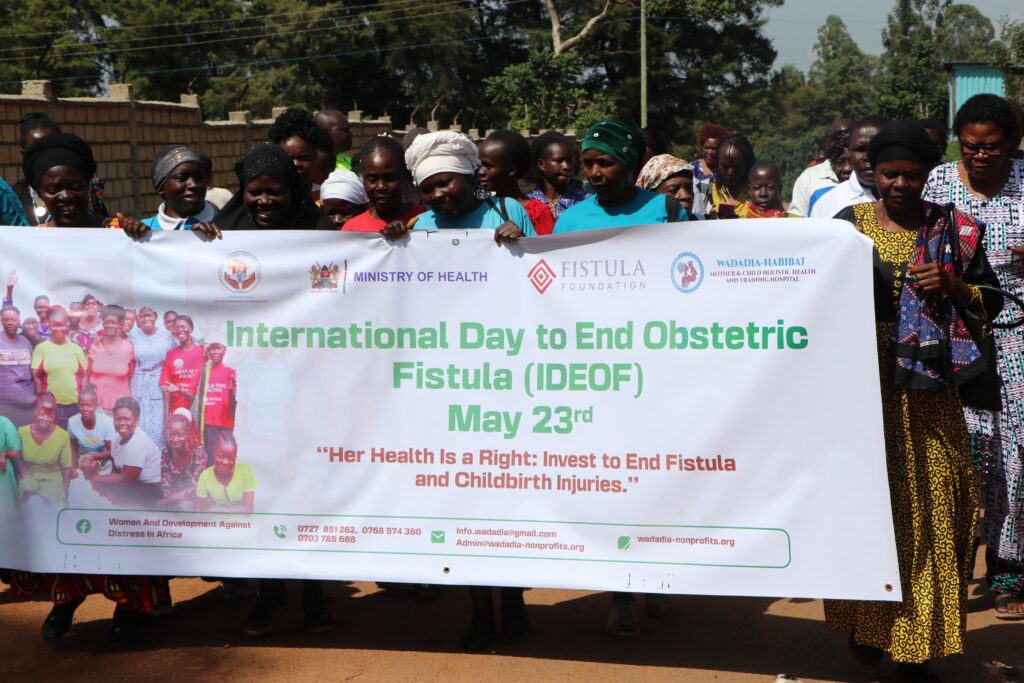
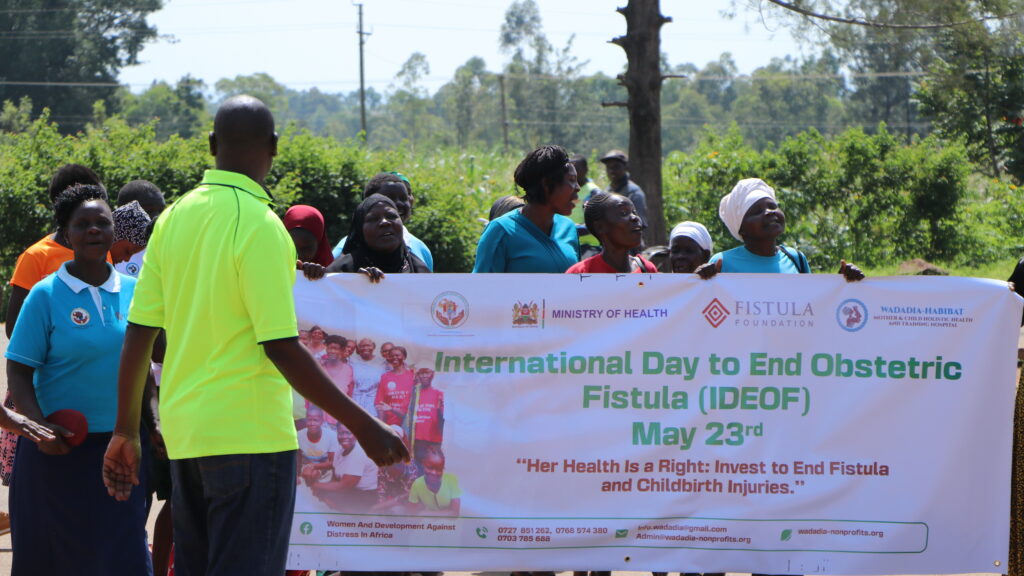
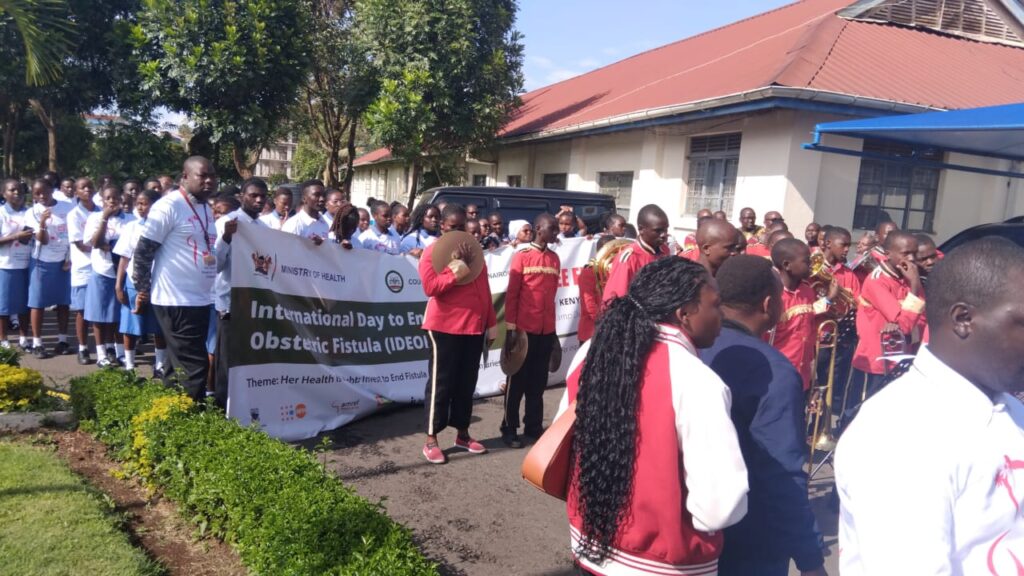
As the world marked the International Day to End Obstetric Fistula 2026 under the theme “Her Health Is a Right: Invest to End Fistula and Childbirth Injuries,” Women and Development Against Distress in Africa (WADADIA) joined partners, healthcare providers, survivors, community health promoters, and local leaders across Kenya in amplifying awareness, restoring dignity, and strengthening grassroots efforts to end obstetric fistula.
This year’s commemoration reflected WADADIA’s holistic and community-centered approach to fistula programming combining awareness creation, survivor support, prevention, referrals, psychosocial care, mentorship, and reintegration.
Supporting Women at the Kenyatta National Hospital Free Fistula Camp
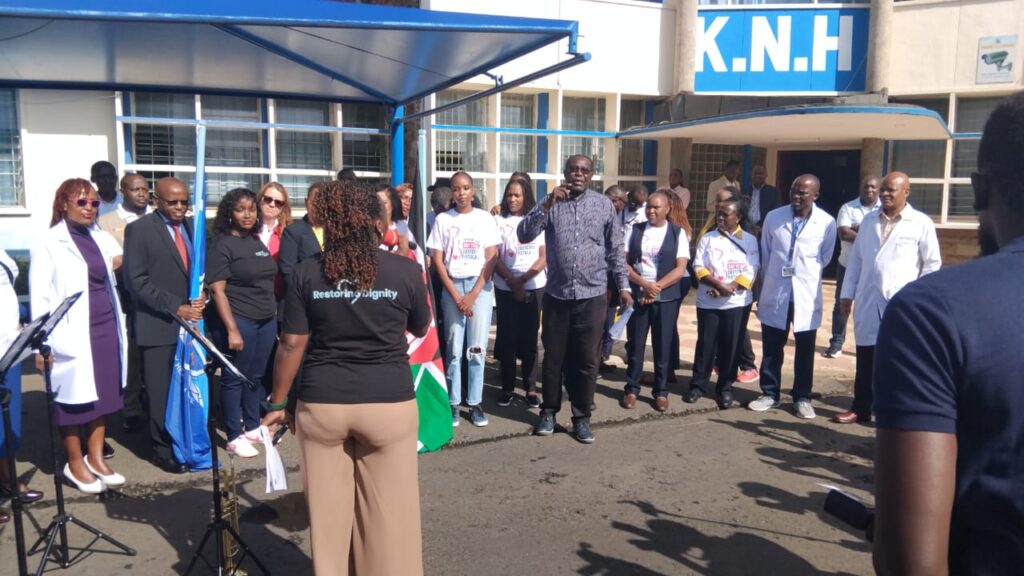
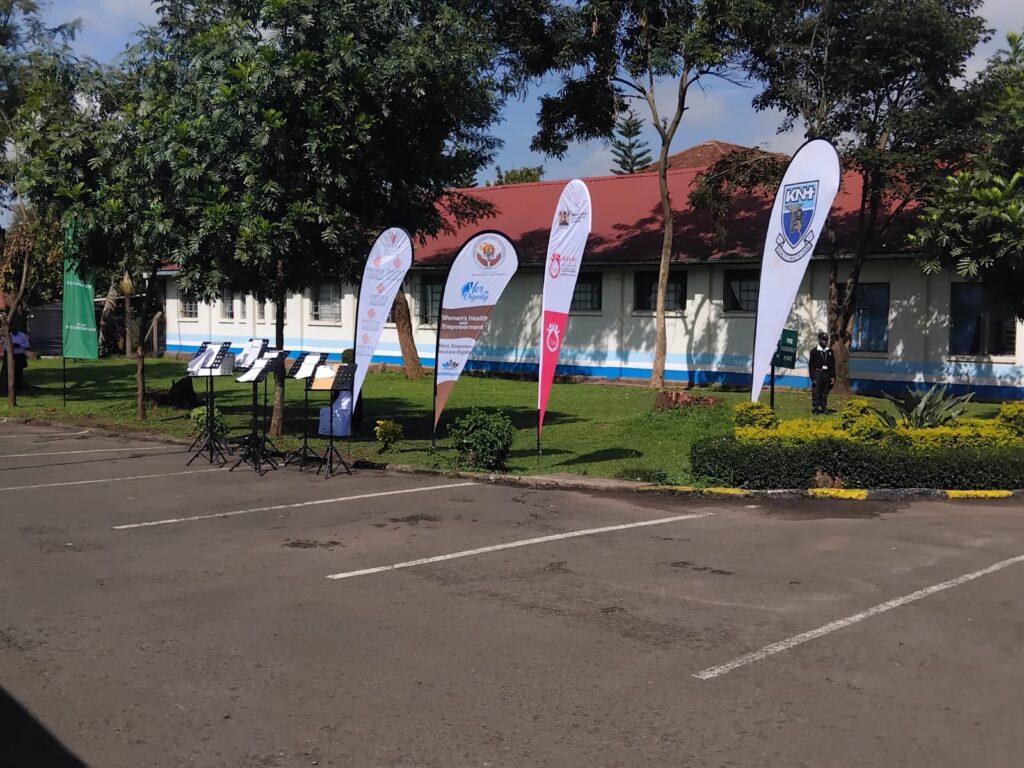
At Kenyatta National Hospital, WADADIA joined the Ministry of Health and partners during the ongoing free fistula surgical camp held at Clinic 66.
Throughout the week, WADADIA teams remained on the ground offering pre- and post-operative counselling to women awaiting surgery and those recovering after repair procedures. Patients received emotional support, encouragement, and guidance on healing and post-repair care as they prepared for life beyond surgery.
The camp brought together a strong partnership of institutions and organizations committed to ending fistula and childbirth injuries through free treatment, specialized surgical care, awareness, and advocacy.
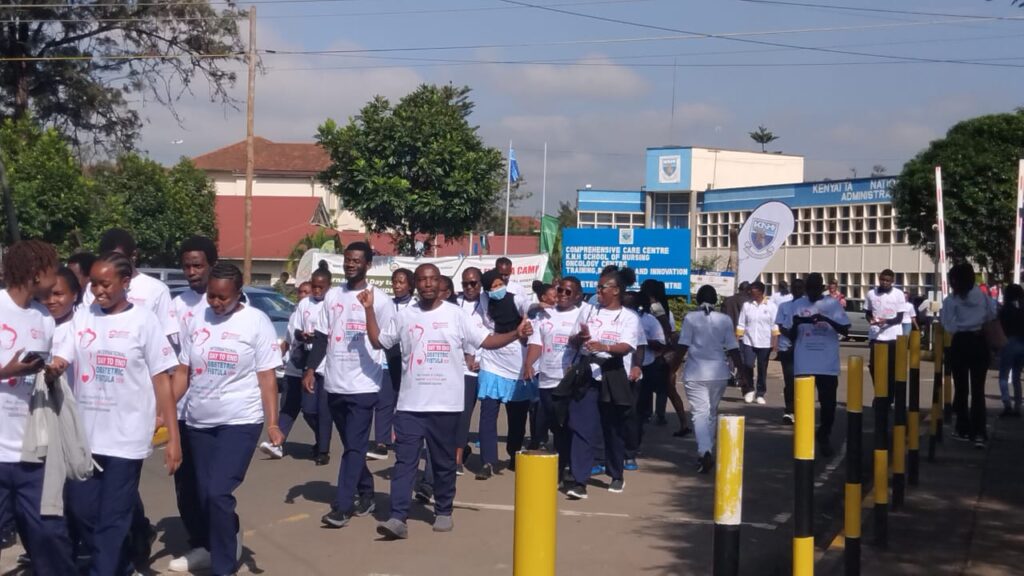
The commemoration activities also featured a solidarity walk led by Nairobi Woman Representative Hon. Esther Passaris, survivor testimonies, medical experts, and performances that amplified calls for stronger maternal healthcare systems and timely access to treatment.
Community Voices Leading Change
Across counties including Siaya, West Pokot, Kakamega, Busia, Kilifi, and Mt. Elgon, WADADIA intensified grassroots engagement activities working closely with Community Health Promoters (CHPs), Community Resource Persons (CORPs), local administrators, women leaders, and schools.
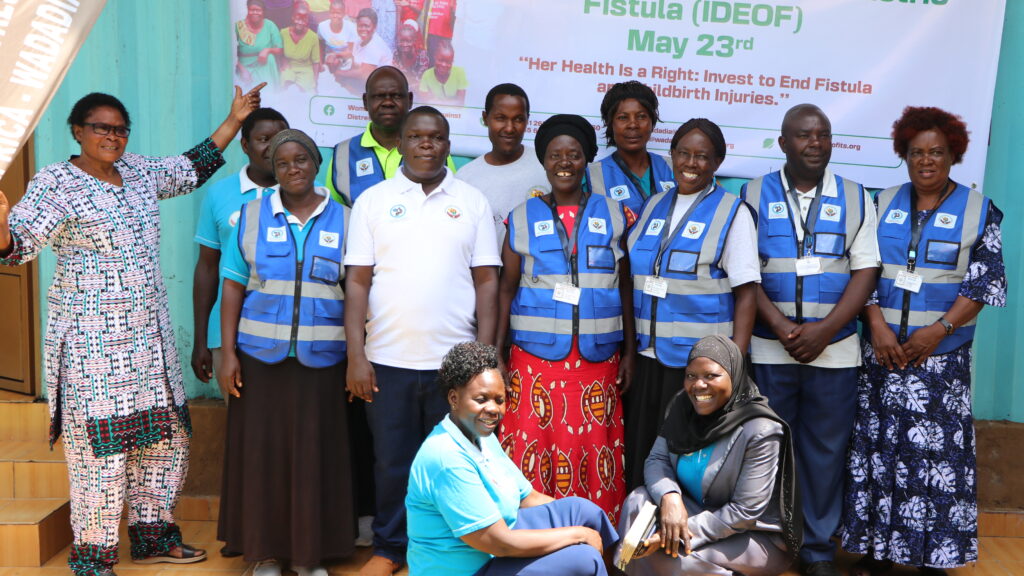
Quarterly review meetings held with community teams created space to reflect on progress, identify challenges, strengthen referral pathways, and share field experiences directly shaping implementation.
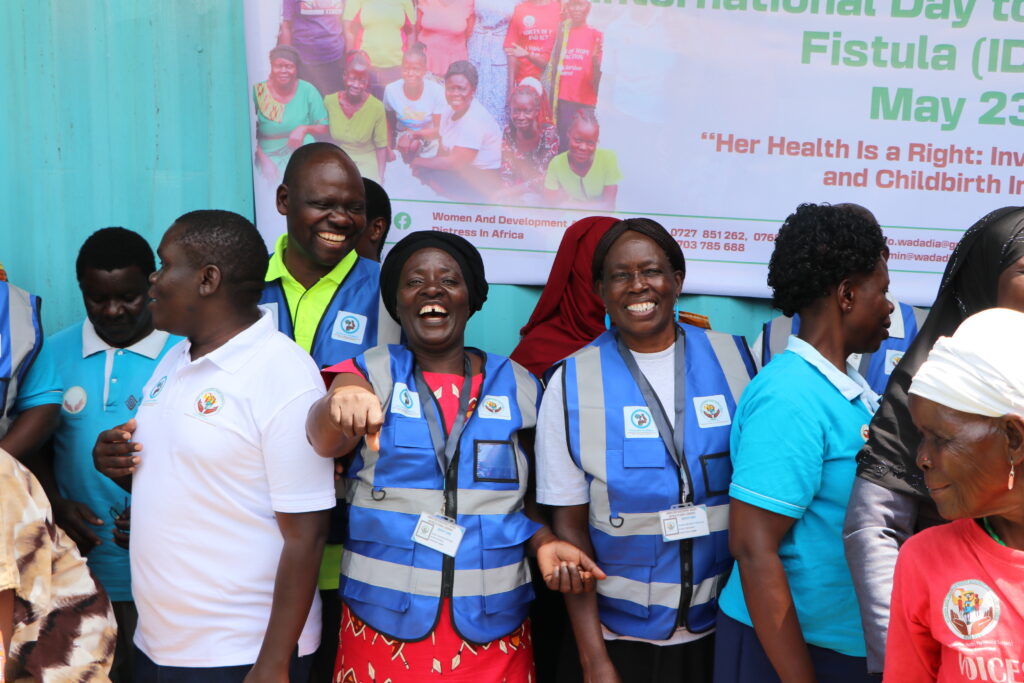
Led by Program Manager Omar Mandela alongside field and program teams, the sessions reinforced the importance of community ownership in tackling obstetric fistula, gender-based violence, reproductive health challenges, and harmful social practices.
Community teams were also issued with identification materials and branded reflectors to strengthen visibility, coordination, and grassroots mobilization efforts.
Prevention Through Youth Engagement and Education
As part of prevention efforts, WADADIA’s Coastal team engaged young women and students in Malindi through conversations centered on reproductive health, mental health, mentorship, behavior change, and safe motherhood.
The discussions highlighted the importance of empowering girls and young women early with accurate information, guidance, and support systems that reduce vulnerability and help prevent childbirth injuries and other reproductive health complications.
WADADIA also continued to strengthen community awareness through field dialogues in remote and underserved communities, ensuring more women understand fistula symptoms, treatment availability, and referral options.
Media Advocacy and Survivor Awareness
To further amplify awareness, WADADIA Founder and Lead Director Habiba Korodhia Mohammed joined Sifa FM for an in-depth radio discussion on obstetric fistula, childbirth injuries, and the need for holistic care.
Speaking as a counselling psychologist and health systems strengthening professional, she emphasized that fistula is both preventable and treatable, while encouraging women living with the condition to seek care without shame or fear.
The interview also featured survivor voices and medical perspectives, helping break stigma and expand public understanding around fistula and incontinence.
Partnerships That Restore Dignity
IDEOF 2026 once again demonstrated the power of partnerships in advancing maternal health and restoring dignity to women affected by childbirth injuries.
From healthcare providers and grassroots mobilizers to government institutions, survivors, donors, and development partners, collective action continues to expand access to life-changing care for women who would otherwise remain isolated and untreated.
As WADADIA continues its work beyond the commemoration, one message remains central:
No woman should suffer in silence.
Help is available. Treatment is possible. Dignity can be restored.
📞 If you or someone you know is leaking urine or stool after childbirth, please reach out to WADADIA for support, referrals, and access to free treatment.