St Peters Nyapora Rd, Mumias +254 727 851 262 info.wadadia@gmail.com

Beyond the Operating Theatre: Turning Women’s Experiences into Evidence for Better Fistula Care.

For Habiba Corodhia Mohamed, listening is more than a professional skill. It is part of how change happens.
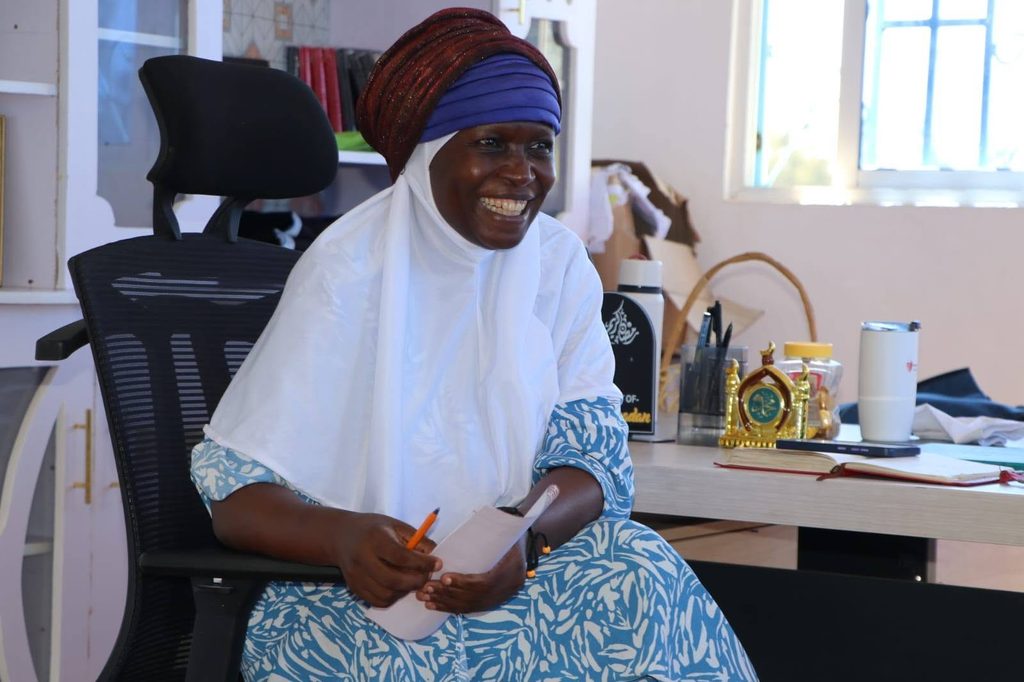
As WADADIA’s Founder and Lead Director, a Counseling Psychologist, social change practitioner and PhD candidate, Habiba has spent years working alongside women affected by obstetric fistula and the complex realities that can accompany their recovery.
Her latest research takes that commitment to listening a step further.
Published in the East African Journal of Health and Science on 14 September 2026, her study, “Sexual Recovery and Fertility Concerns after Female Genital Fistula Repair: A Qualitative Study among Fistula Survivors and their Significant Others in Kenya,” examines what recovery means beyond successful surgical closure.
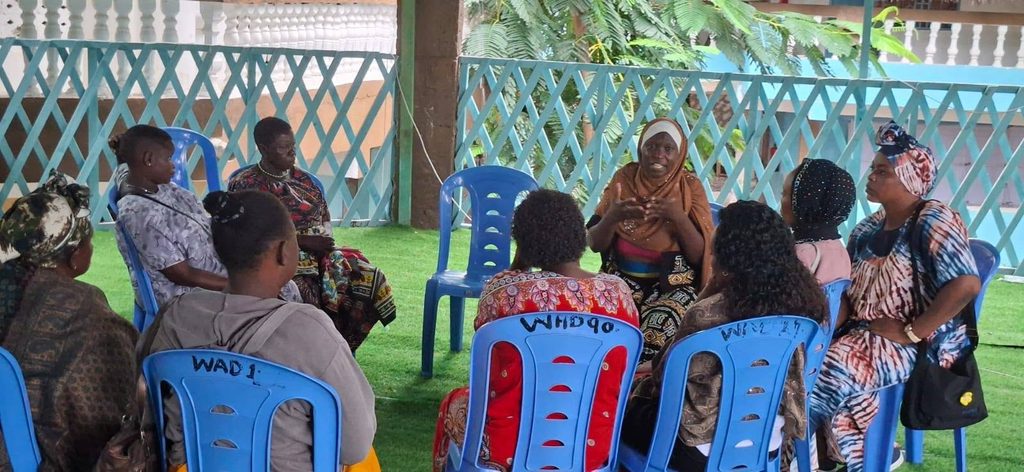
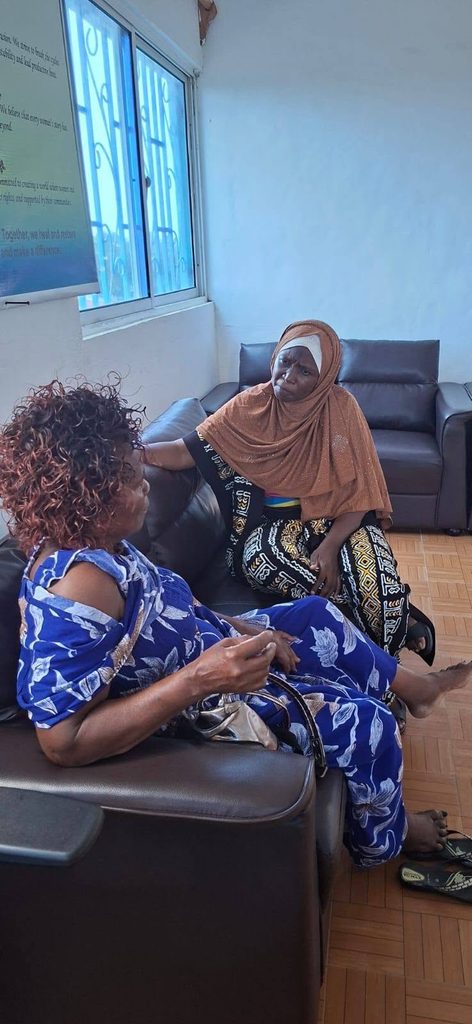
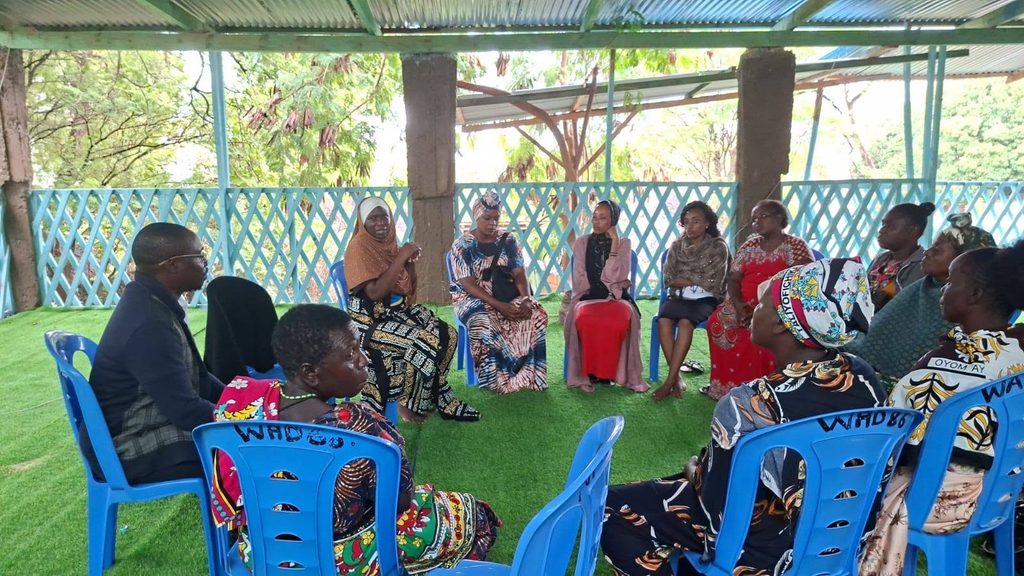
The qualitative study involved 79 participants—40 treated fistula survivors and 39 significant others—across eight focus group discussions in Kenya. It explored experiences around sexual recovery, identity and confidence, fertility concerns, fear of recurrence, relationships, communication and psychosocial support.
Because surgery is not the end of the story
For many women, fistula repair can be life-changing. But physical healing does not automatically resolve every concern.
The research highlights recovery as a multidimensional process. Women may continue to experience uncertainty about future pregnancy, fear of recurrence, changes in confidence and challenges around intimacy and relationships.
It also highlights the important role of counselling and psychosocial support in rebuilding communication, trust and emotional wellbeing.
This matters deeply to WADADIA’s approach.
At WADADIA, the journey does not simply move from diagnosis to theatre and stop at discharge. The organisation continues to champion approaches that recognise the woman behind the condition—her emotional wellbeing, relationships, family, dignity, confidence and ability to participate fully in life after treatment.
From research to practice
Habiba’s research reflects a principle at the heart of her leadership:
The people we serve must help us understand the solutions we build for them.
Her work as a counselling psychologist gives her a professional lens for understanding emotional and relational wellbeing. Her work as a social change practitioner connects that understanding to programmes and systems. And her doctoral research creates an opportunity to generate evidence that can contribute to wider conversations about women’s health and fistula care.
For WADADIA, these different roles come together in one purpose:
to keep improving how women are reached, treated, supported and empowered to rebuild their lives.
Research becomes particularly powerful when it does not remain on the pages of a journal.
It can help health providers ask better questions.
It can help programmes respond to realities that statistics may miss.
It can help funders understand why comprehensive care requires investment beyond surgery.
And it can help policymakers and partners strengthen systems around women.
An invitation to learn, engage and act
We invite health professionals, researchers, development partners, funders, policymakers and advocates to read the study and engage with its findings.
The question is bigger than fistula repair alone:
How can we design health systems that measure success not only by whether a procedure worked, but by whether a woman is able to recover, regain confidence, rebuild relationships and live with dignity?
That is the conversation worth continuing.
📖 Read the full publication:
https://doi.org/10.37284/eajhs.9.3.5772
At WADADIA, we believe better solutions begin by listening. Evidence helps us turn what women tell us into stronger action.