St Peters Nyapora Rd, Mumias +254 727 851 262 info.wadadia@gmail.com

Beyond the Operating Theatre: Two Patient Journeys, One Continuum of Care.

At WADADIA-Habibat, women and children are receiving surgical care but the real work of healing begins before the operation.
The doors of the operating theatre at WADADIA-Habibat Mother and Child Holistic Health and Training Hospital are open, and patients are moving through different stages of treatment.
Some are women who have lived with childbirth injuries and other reproductive health conditions that have affected their health, dignity and quality of life.
Others are children who require surgical care for treatable conditions.
Their conditions may be different.
Their need is the same: timely, compassionate and quality care.
And for WADADIA, that care cannot be reduced to what happens inside an operating theatre.
For women, preparation is part of treatment
Before reconstructive surgery, women awaiting treatment engage with WADADIA’s psychosocial support team.
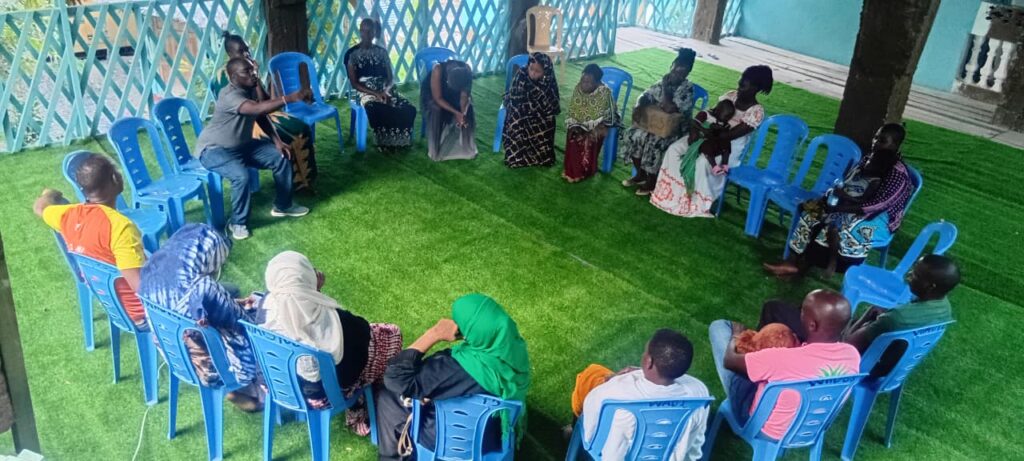
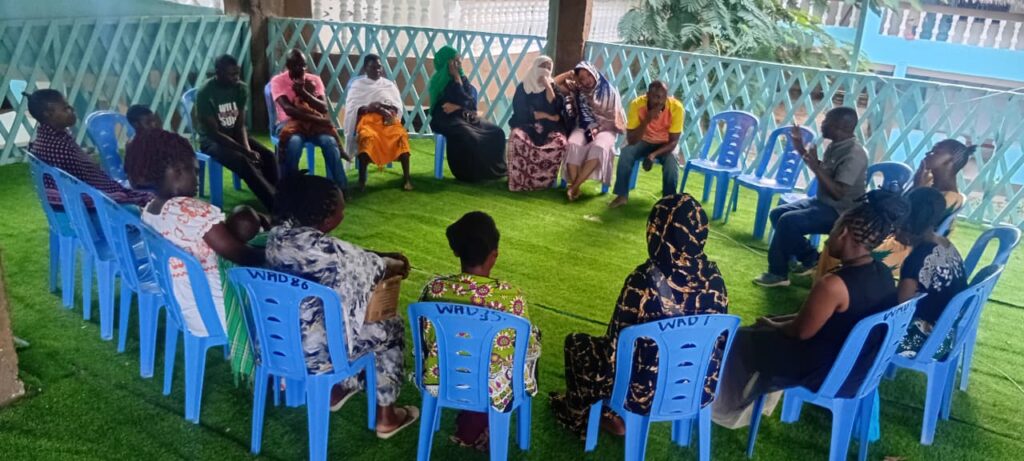
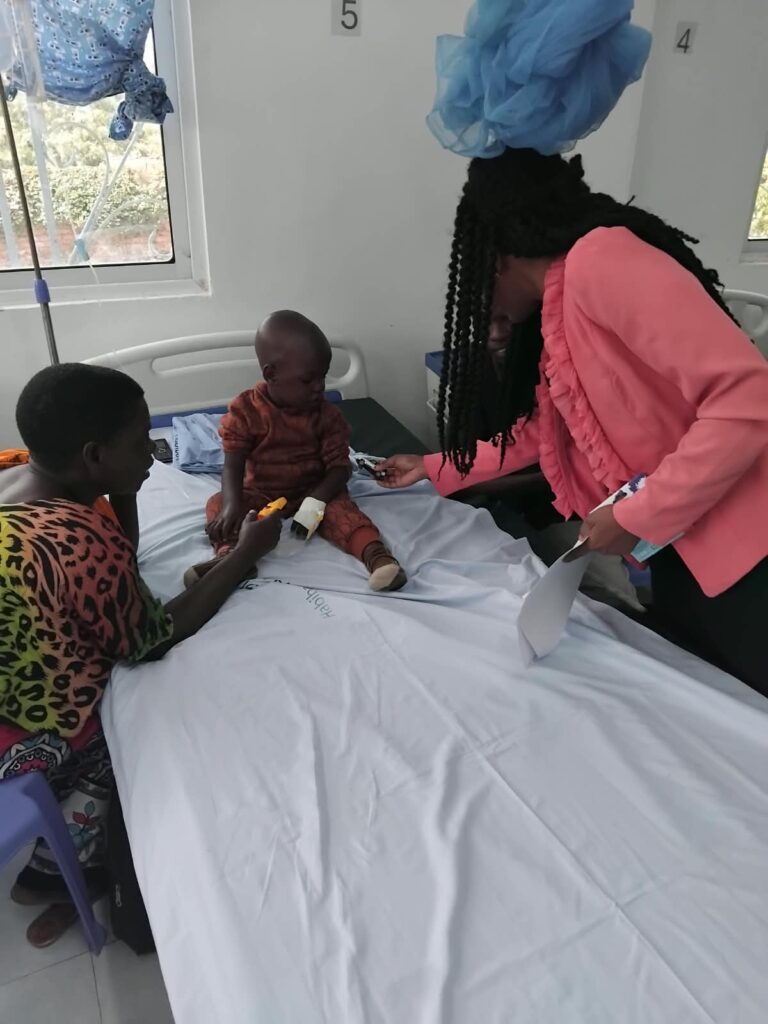
They talk.
They ask questions.
They share fears.
They reflect on what they have endured and prepare themselves for what comes next.
This matters because many women arriving for reconstructive treatment have carried more than a physical condition. Some have lived with pain, isolation, stigma or disruption to their everyday lives.
A surgical procedure may address the physical condition.
But recovery also requires emotional and social support.
That is why psychosocial support is embedded within WADADIA’s programming.
For children, early action can change the trajectory
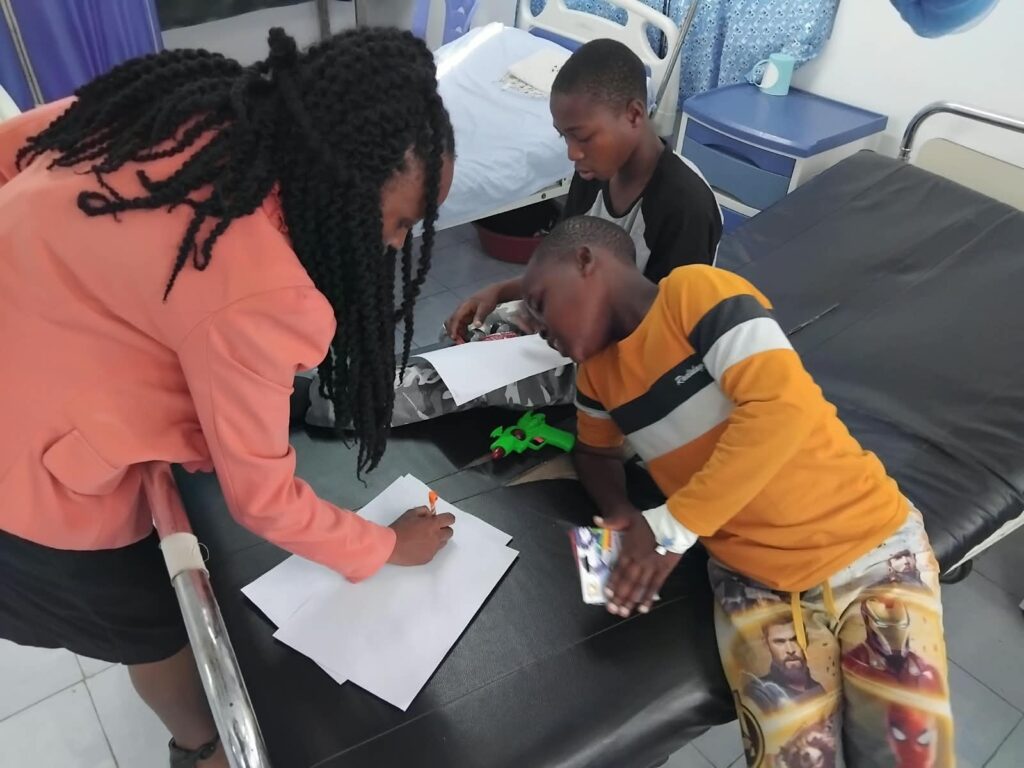
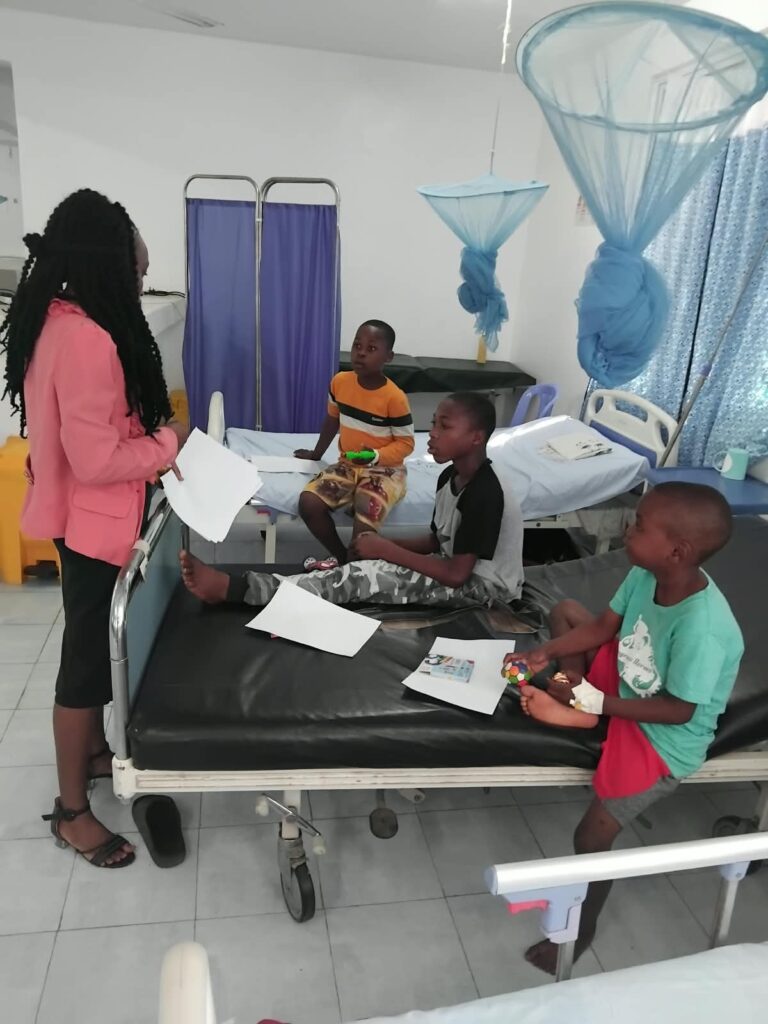
WADADIA is also extending its experience in community engagement and holistic care to paediatric surgical services through the STAR: Screen. Treat. Restore. model.
The approach is built around three simple but powerful steps:
SCREEN.
Strengthen community systems and work with Community Health Promoters and other stakeholders to identify children who may need surgical care and facilitate referral.
TREAT.
Connect children to timely, safe and quality surgical services while strengthening the capacity of healthcare teams.
RESTORE.
Support children and caregivers beyond treatment through follow-up, psychosocial support and reintegration into family, school and community life.
The ongoing paediatric surgical services at WADADIA-Habibat are therefore part of a larger effort to create a more connected pathway to care.
The common thread is the patient
A woman preparing for reconstructive surgery and a child requiring paediatric surgery may arrive with very different medical needs.
But neither should be viewed simply as a diagnosis.
There is a person behind every referral.
A family behind every patient.
A community behind every family.
That is why WADADIA’s model connects community outreach, identification, referral, clinical treatment, psychosocial support and recovery.
The goal is not simply to increase the number of procedures delivered.
It is to reduce the distance, physical, financial, informational and emotional, between people and the care they need.
This is what restoration means
For a woman, restoration may mean returning to everyday life without the physical limitations of a childbirth injury.
For a child, it may mean returning to school, playing with friends and growing without a condition that could have been treated earlier.
For a caregiver, it may mean relief from uncertainty and the confidence of knowing where to seek help.
And for a community, it means having stronger systems to recognise problems and connect people to care.
Screen. Treat. Restore.
At WADADIA-Habibat, this work is ongoing.
And WADADIA’s wider vision is clear: healthcare should not only treat disease. It should restore dignity, possibility and the ability to thrive.
Be part of the work
WADADIA is looking to work with partners who share this vision and are committed to expanding access to quality surgical, maternal, child and psychosocial health services for underserved communities.
Because the question is not only whether we can perform the surgery.
The bigger question is whether we can build a system that ensures the right person reaches the right care at the right time and is supported after they get there.
That is the work continuing at WADADIA.
That is the work we invite partners and communities to be part of.